The evacuation of Birkenau and separation of Lale and Gita
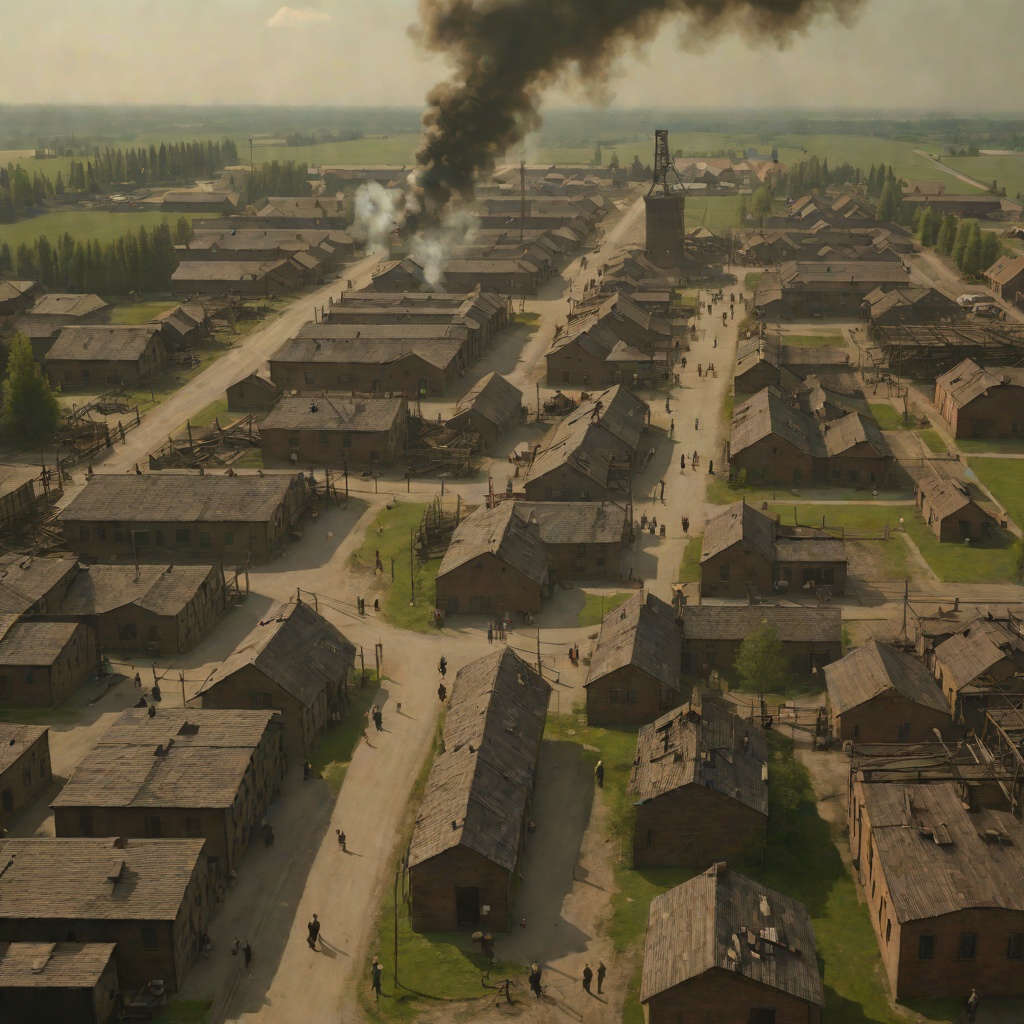
The Tattooist of AuschwitzThe evacuation of Birkenau and the separation of Lale and Gita is the emotional and narrative climax of their love story, the moment when the camp's machinery of destruction finally tears them apart. It is a scene of overwhelming chaos and despair, set against a falling snow that seems to darken the morning sky, and it culminates in a desperate, wordless exchange at the gates that leaves Lale kneeling alone, bloodied and convinced he has failed the woman he loves. This event is not merely a physical parting; it is the rupture that forces both characters to confront their individual fates, transforming their private bond into a public declaration and a promise that must survive the war itself.
The Night of the Red Slashes
The evacuation begins with a chilling act of marking. In the night, SS officers enter every block in the women's camp and paint a bright-red slash down the back of each girl's coat, once again marking the women for whatever fate awaits them. Gita, Dana, Cilka, and Ivana take comfort in all of them having been marked alike, finding solace in the idea that whatever happens tomorrow will happen to all of them—together they will live or die. This shared marking, a grim echo of the tattoos that define their existence, binds the friends in a collective fate even as it signals the coming catastrophe. The red slash is a premonition of the separation to come, a visual sign that the women are being prepared for a final, terrible journey.
The Chaos of the Morning Evacuation
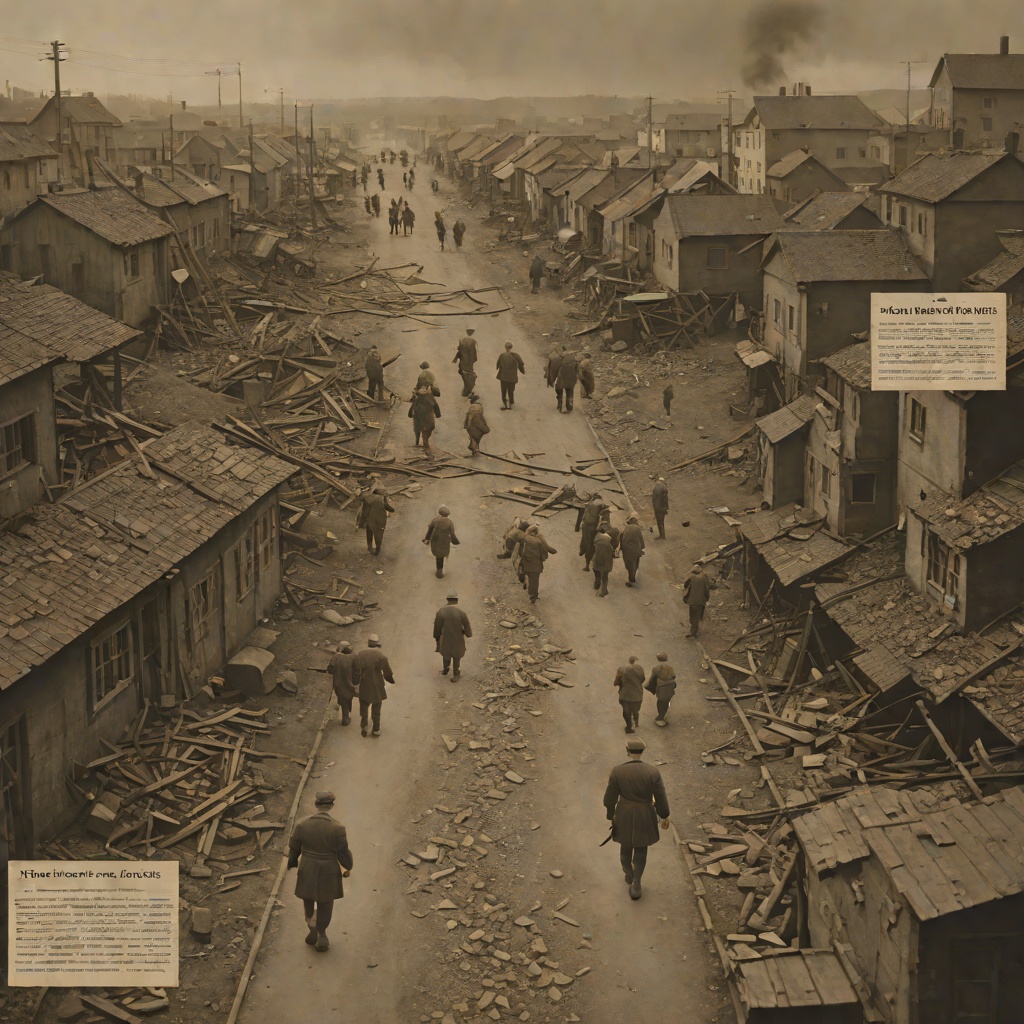
Lale is woken sometime during the night by a great commotion, the sounds of rifle shots jolting him fully awake. Memories of the night the Romany were taken flood back, and he wonders what new horror is unfolding. Putting on his shoes and wrapping a blanket around his shoulders, he cautiously goes outside to find thousands of women prisoners being corralled into rows. There is obvious confusion, as if neither guards nor prisoners know quite what is expected. The SS pay Lale no attention as he walks quickly up and down the rows of women, who are bunched together from the cold and in fear of what is to come. Snow continues to fall, making running impossible. The scene is one of brutal, disorganized violence: Lale watches as a dog snaps at the legs of one woman and brings her to the ground. A friend reaches down to help her to her feet, but the SS officer holding the dog draws his pistol and shoots the fallen woman. This casual murder underscores the utter dehumanization of the moment, where life is extinguished without a second thought.
The Search and the Declaration
Lale hurries on, looking down the rows, searching, desperate. Finally he sees her. Gita and her friends are being pushed toward the main gates, clinging to each other, but he can't see Cilka among them, or anywhere in the sea of faces. He focuses back on Gita. She has her head down, and Lale can tell by the movement of her shoulders that she is sobbing. At last she is crying, but he cannot comfort her. Dana spots him and pulls Gita toward the outside of their row, pointing Lale out to her. Gita finally looks up and sees him. Their eyes meet, hers wet, pleading, his full of sorrow. Focused on Gita, Lale doesn't see the SS officer. He is unable to move out of the way of the rifle that swings at him, connecting with his face and sending him to his knees. Gita and Dana both scream and try to force their way back through the column of women, but to no avail; they are swept up in the tide of moving bodies. Lale struggles to his feet, blood streaming down his face from a large gash above his right eye. Frantic now, he plunges into the moving crowd, searching each row of distraught women. As he gets near the gates, he sees her again—within arm's length. A guard steps in front of him and pushes the muzzle of his rifle into Lale's chest. In this moment of ultimate desperation, Lale screams her name, "Gita!" His world is spinning. He looks up at the sky, which seems only to be getting darker as the morning breaks. Above the noise of screaming guards and barking dogs, he hears her. For the first time, she reveals her full identity, shouting, "Furman. My name is Gita Furman!" Sinking to his knees in front of the unmoving guard, he shouts, "I love you." Nothing comes back. The cries of the women have stopped. The dogs cease barking. The gates of Birkenau are shut.
The Aftermath of Separation
Lale kneels in the snow, which continues to fall heavily. Blood from the wound in his forehead covers his face. He is locked in, alone. He has failed. An officer comes over to him and says, "You'll freeze to death. Come on, go back to your block." He reaches a hand down and pulls Lale to his feet, an act of kindness from the enemy at the eleventh hour. This final gesture, a moment of humanity from a guard, contrasts sharply with the violence that preceded it, leaving Lale to stumble back to his block, physically broken and emotionally devastated. The separation is absolute, and Lale's sense of failure is profound, as he has been unable to protect or even stay with the woman he loves.
The Significance of the Final Exchange
The evacuation scene is the culmination of Lale and Gita's relationship, a moment where their private love is forced into the public sphere of the camp's brutality. Gita's revelation of her surname, "Furman," is a powerful act of self-assertion in a system designed to strip her of her identity, reducing her to a number. It is a final, defiant declaration of who she is, a gift to Lale that he carries with him. Lale's shouted "I love you" is the culmination of his earlier confession, "My beautiful Gita. You've bewitched me. I've fallen in love with you," but now it is a cry of loss rather than a declaration of hope. The event transforms their love from a secret, fragile thing into a public testament, a promise that must survive the war. The separation at the gates is the dark moment of their story, the point of maximum despair from which their eventual reunion in Bratislava becomes the ultimate act of hope and survival.